---
title: 5 Things Every HIPAA Privacy Manual Should Include
description: Learn the five essential policies every HIPAA privacy manual should include to help your practice protect patient information and maintain compliance.
image: https://blog.therapynotes.com/hubfs/Whats%20New%20Images/blog%20images/posts/260626-privacypolicies-800x390.png
---
[](https://www.therapynotes.com/)
- [Try Free](https://www.therapynotes.com/about/signup/)
[Log In](https://www.therapynotes.com/app/login/)
- - [Call Us: (215) 658-4550](tel:+12156584550)
- [Start Your Free Trial](https://www.therapynotes.com/about/signup/)
- [Schedule a Demo](https://blog.therapynotes.com/schedule)
---
- Explore
- [Pricing](https://www.therapynotes.com/pricing/)
- [Blog](https://blog.therapynotes.com/)
- [Help Center](https://support.therapynotes.com)
- [For Education](https://www.therapynotes.com/education/)
- [Find a Therapist](https://www.therapysearch.com)
---
- Features
Practice Management
- [Billing](https://www.therapynotes.com/features/billing/)
- [Scheduling](https://www.therapynotes.com/features/scheduling/)
- [Messaging](https://www.therapynotes.com/features/securemessaging/)
- [Payments](https://www.therapynotes.com/features/payment-processing/)
Clinical Documentation
- [Notes](https://www.therapynotes.com/features/notes/)
- [TherapyFuel®](https://www.therapynotes.com/features/therapyfuel/)
- [Outcome Measures](https://www.therapynotes.com/features/outcome-measures/)
- [ePrescribe](https://www.therapynotes.com/features/eprescribe/)
Client Engagement
- [TherapyPortal™](https://www.therapynotes.com/features/client-portal/)
- [Telehealth](https://www.therapynotes.com/features/telehealth/)
- [TherapySearch™](https://www.therapysearch.com/clinicians)
Additional Resources
- [Mobile App](https://www.therapynotes.com/features/therapynotes-mobile/)
- [Support](https://www.therapynotes.com/features/support/)
- [Security](https://www.therapynotes.com/features/security/)
---
- About
- [Company](https://www.therapynotes.com/company/)
- [Careers](https://www.therapynotes.com/careers/)
- [Reviews](https://www.therapynotes.com/reviews/)
- [Contact](https://www.therapynotes.com/contact/)
- [Store](http://therapynotesshop.com/)
- [Status](https://blog.therapynotes.com/status)
[](https://www.therapynotes.com/)
- - [Start Your Free Trial](https://www.therapynotes.com/about/signup/)
- [Schedule a Demo](https://blog.therapynotes.com/schedule)
---
- Explore
- [Pricing](https://www.therapynotes.com/pricing/)
- [Blog](https://blog.therapynotes.com/)
- [Help Center](https://support.therapynotes.com)
- [For Education](https://www.therapynotes.com/education/)
- [Find a Therapist](https://www.therapysearch.com)
---
- Features
Practice Management
- [Billing](https://www.therapynotes.com/features/billing/)
- [Scheduling](https://www.therapynotes.com/features/scheduling/)
- [Messaging](https://www.therapynotes.com/features/securemessaging/)
- [Payments](https://www.therapynotes.com/features/payment-processing/)
Clinical Documentation
- [Notes](https://www.therapynotes.com/features/notes/)
- [TherapyFuel®](https://www.therapynotes.com/features/therapyfuel/)
- [Outcome Measures](https://www.therapynotes.com/features/outcome-measures/)
- [ePrescribe](https://www.therapynotes.com/features/eprescribe/)
Client Engagement
- [TherapyPortal™](https://www.therapynotes.com/features/client-portal/)
- [Telehealth](https://www.therapynotes.com/features/telehealth/)
- [TherapySearch™](https://www.therapysearch.com/clinicians)
Additional Resources
- [Mobile App](https://www.therapynotes.com/features/therapynotes-mobile/)
- [Support](https://www.therapynotes.com/features/support/)
- [Security](https://www.therapynotes.com/features/security/)
---
- About
- [Company](https://www.therapynotes.com/company/)
- [Careers](https://www.therapynotes.com/careers/)
- [Reviews](https://www.therapynotes.com/reviews/)
- [Contact](https://www.therapynotes.com/contact/)
- [Store](http://therapynotesshop.com/)
- [Status](https://blog.therapynotes.com/status)
[](https://www.therapynotes.com/)
- - [Start Your Free Trial](https://www.therapynotes.com/about/signup/)
- [Schedule a Demo](https://blog.therapynotes.com/schedule)
---
- Explore
- [Pricing](https://www.therapynotes.com/pricing/)
- [Blog](https://blog.therapynotes.com/)
- [Help Center](https://support.therapynotes.com)
- [For Education](https://www.therapynotes.com/education/)
- [Find a Therapist](https://www.therapysearch.com)
---
- Features
Practice Management
- [Billing](https://www.therapynotes.com/features/billing/)
- [Scheduling](https://www.therapynotes.com/features/scheduling/)
- [Messaging](https://www.therapynotes.com/features/securemessaging/)
- [Payments](https://www.therapynotes.com/features/payment-processing/)
Clinical Documentation
- [Notes](https://www.therapynotes.com/features/notes/)
- [TherapyFuel®](https://www.therapynotes.com/features/therapyfuel/)
- [Outcome Measures](https://www.therapynotes.com/features/outcome-measures/)
- [ePrescribe](https://www.therapynotes.com/features/eprescribe/)
Client Engagement
- [TherapyPortal™](https://www.therapynotes.com/features/client-portal/)
- [Telehealth](https://www.therapynotes.com/features/telehealth/)
- [TherapySearch™](https://www.therapysearch.com/clinicians)
Additional Resources
- [Mobile App](https://www.therapynotes.com/features/therapynotes-mobile/)
- [Support](https://www.therapynotes.com/features/support/)
- [Security](https://www.therapynotes.com/features/security/)
---
- About
- [Company](https://www.therapynotes.com/company/)
- [Careers](https://www.therapynotes.com/careers/)
- [Reviews](https://www.therapynotes.com/reviews/)
- [Contact](https://www.therapynotes.com/contact/)
- [Store](http://therapynotesshop.com/)
- [Status](https://blog.therapynotes.com/status)
[](https://www.therapynotes.com/)
- [Features](https://www.therapynotes.com/features/)
Practice Management
- [Billing](https://www.therapynotes.com/features/billing/)
- [Scheduling](https://www.therapynotes.com/features/scheduling/)
- [Messaging](https://www.therapynotes.com/features/securemessaging/)
- [Payments](https://www.therapynotes.com/features/payment-processing/)
Clinical Documentation
- [Notes](https://www.therapynotes.com/features/notes/)
- [TherapyFuel®](https://www.therapynotes.com/features/therapyfuel/)
- [Outcome Measures](https://www.therapynotes.com/features/outcome-measures/)
- [ePrescribe](https://www.therapynotes.com/features/eprescribe/)
Client Engagement
- [TherapyPortal™](https://www.therapynotes.com/features/client-portal/)
- [Telehealth](https://www.therapynotes.com/features/telehealth/)
- [TherapySearch™](https://www.therapysearch.com/clinicians)
Additional Resources
- [Mobile App](https://www.therapynotes.com/features/therapynotes-mobile/)
- [Support](https://www.therapynotes.com/features/support/)
- [Security](https://www.therapynotes.com/features/security/)
- [Pricing](https://www.therapynotes.com/pricing/)
- [Blog](https://blog.therapynotes.com/)
- [About](https://www.therapynotes.com/company/)
- [Contact](https://www.therapynotes.com/contact/)
- [(215) 658-4550](tel:+12156584550)
- [Try Free](https://www.therapynotes.com/about/signup/)
[Log In](https://www.therapynotes.com/app/login/)
[](https://www.therapynotes.com/)
- [Features](https://www.therapynotes.com/features/)
Practice Management
- [Billing](https://www.therapynotes.com/features/billing/)
- [Scheduling](https://www.therapynotes.com/features/scheduling/)
- [Messaging](https://www.therapynotes.com/features/securemessaging/)
- [Payments](https://www.therapynotes.com/features/payment-processing/)
Clinical Documentation
- [Notes](https://www.therapynotes.com/features/notes/)
- [TherapyFuel®](https://www.therapynotes.com/features/therapyfuel/)
- [Outcome Measures](https://www.therapynotes.com/features/outcome-measures/)
- [ePrescribe](https://www.therapynotes.com/features/eprescribe/)
Client Engagement
- [TherapyPortal™](https://www.therapynotes.com/features/client-portal/)
- [Telehealth](https://www.therapynotes.com/features/telehealth/)
- [TherapySearch™](https://www.therapysearch.com/clinicians)
Additional Resources
- [Mobile App](https://www.therapynotes.com/features/therapynotes-mobile/)
- [Support](https://www.therapynotes.com/features/support/)
- [Security](https://www.therapynotes.com/features/security/)
- [Pricing](https://www.therapynotes.com/pricing/)
- [Blog](https://blog.therapynotes.com/)
- [About](https://www.therapynotes.com/company/)
- [Contact](https://www.therapynotes.com/contact/)
- [(215) 658-4550](tel:+12156584550)
- [Try Free](https://www.therapynotes.com/about/signup/)
[Log In](https://www.therapynotes.com/app/login/)
Blog Post Topic Filter
Topic
Topic Select a topic to show
[All Topics](https://blog.therapynotes.com)
- [Software Updates (290)](https://blog.therapynotes.com/topic/software-updates)
- [Business Ownership (79)](https://blog.therapynotes.com/topic/business-ownership)
- [Group Practice (52)](https://blog.therapynotes.com/topic/group-practice)
- [Company News (47)](https://blog.therapynotes.com/topic/company-news)
- [Marketing (35)](https://blog.therapynotes.com/topic/marketing)
- [Medical Billing (17)](https://blog.therapynotes.com/topic/medical-billing)
- [Technology (10)](https://blog.therapynotes.com/topic/technology)
- [Documentation (7)](https://blog.therapynotes.com/topic/documentation)
- [Accounting (6)](https://blog.therapynotes.com/topic/accounting)
- [Networking (6)](https://blog.therapynotes.com/topic/networking)
- [Niche (6)](https://blog.therapynotes.com/topic/niche)
- [TherapySearch (4)](https://blog.therapynotes.com/topic/therapysearch)
Reading 5 Things Every HIPAA Privacy Manual Should IncludeFind More Posts
# 5 Things Every HIPAA Privacy Manual Should Include
##### By TherapyNotes®, LLC on June 30, 2026
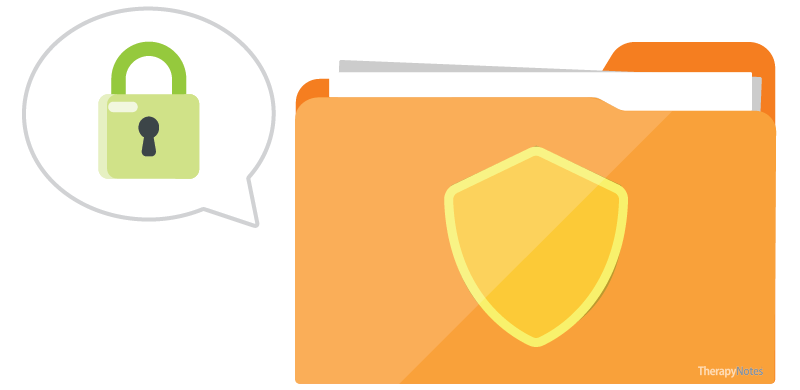
When most clinicians think about HIPAA compliance, they often think about secure passwords, encrypted devices, or protecting patient records. While those safeguards are important, one of the first things regulators may ask for during an audit is something much less visible: your written HIPAA policies and procedures, often referred to as your privacy manual.Your privacy manual serves as the foundation for how your practice protects patient information, responds to privacy concerns, and documents compliance with HIPAA requirements. Whether you're a solo provider or part of a larger practice, keeping these policies current helps safeguard both your patients and your practice.
Here are five essential items every HIPAA privacy manual should include.
### 1. Your Most Recent Risk Assessment
HIPAA requires covered entities to regularly evaluate the risks to protected health information (PHI). A documented risk assessment helps identify potential vulnerabilities and guides the safeguards your practice puts in place to protect patient information.
Your privacy manual should include your most recent risk assessment, along with previous assessments that document how your compliance efforts have evolved over time.
Remember to review and update your risk assessment whenever your practice experiences significant changes, such as:
- Implementing new software or cloud services
- Expanding remote or hybrid work
- Adopting AI-assisted documentation tools
- Changing vendors that interact with PHI
### 2\. Policies for Releasing Patient Records
Your privacy manual should clearly document how your practice responds to requests for patient records and access to health information.
In addition to maintaining a standardized records release form, your policies should address:
- Expected response timeframes
- Requests for minor patient
- Electronic versus printed records
- Secure methods for delivering records
- Records subject to additional privacy protections, such as:
- Psychotherapy notes
- Substance use disorder records (42 CFR Part 2)
- HIV-related information, when applicable
Having consistent procedures helps ensure requests are handled accurately and in compliance with applicable privacy laws.
### 3\. Password and Access Security Requirements
Protecting patient information begins with controlling access to it. Your privacy manual should outline your practice's requirements for:
- Creating strong passwords
- Using unique passwords for each account
- Multi-factor authentication (when available)
- Secure password storage (such as password managers)
- Prohibiting password sharing
Technology changes quickly, so review these policies regularly to ensure they reflect current security best practices.
### 4\. Your Patient Data Breach Response Plan
Even well-managed practices should prepare for the possibility of a privacy or security incident.
Your privacy manual should include a documented breach response plan that explains how your practice will:
- Identify potential breaches
- Contain and investigate incidents
- Notify affected individuals when required
- Meet applicable HIPAA breach notification requirements
Today's security incidents often involve more than stolen laptops. Phishing attacks, ransomware, compromised email accounts, and unauthorized access to cloud services have become increasingly common. Having a documented response plan helps your practice act quickly and consistently if an incident occurs.
### 5\. Your Notice of Privacy Practices (NPP)
Your Notice of Privacy Practices summarizes how your practice uses, protects, and discloses patient information. Because this document is shared directly with patients, it should accurately reflect the policies your practice has actually implemented.
Be sure to:
- Review your Notice of Privacy Practices periodically
- Update it when privacy requirements change
- Ensure it remains consistent with your written HIPAA policies
- Offer the notice to each new patient and document whether it was acknowledged or declined
Practices should also review recent federal updates affecting [Notices of Privacy Practices](https://blog.therapynotes.com/required-updates-to-your-notice-of-privacy-practices), including any applicable changes related to 42 CFR Part 2 requirements.
### Keep Your Privacy Manual Current
A privacy manual isn't a document you create once and forget. As your practice evolves, so should your policies and procedures.
Regularly reviewing your privacy manual helps ensure it reflects your current workflows, technology, vendors, and regulatory obligations; making compliance easier to maintain and helping your practice respond confidently if questions arise.
\* The content of this post is intended to serve as general advice and information. It is not to be taken as legal advice and may not account for all rules and regulations in every jurisdiction. For legal advice, please contact an attorney.
Share:
Previous Post:
[What’s New: Play Therapy Documentation & Improved Location Management](https://blog.therapynotes.com/whats-new-play-therapy-documentation-improved-location-management)
Next Post:
[Maintenance Release 2026.06](https://blog.therapynotes.com/maintenance-release-2026.06)
##### Get more content like this, delivered right to your inbox. Subscribe to our newsletter.
## More Content You'll Enjoy
##### [The Best Practice Fusion Alternative for Mental Health](https://blog.therapynotes.com/the-best-practice-fusion-alternative-for-mental-health)
Following an agreement to sell to Allscripts, Practice Fusion will move away from a free,...
##### [Introducing TherapyNotes® Mobile: Your Practice, On the Go](https://blog.therapynotes.com/introducing-therapynotes-mobile-your-practice-on-the-go)
We’re very excited to launch the first version of TherapyNotes® Mobile, our new companion...
##### [Custom Progress Note Templates: Your Notes, Your Way](https://blog.therapynotes.com/custom-progress-note-templates-your-notes-your-way)
We’re excited to share a major enhancement designed to give you more flexibility and...
 We're here for you every day of the week. [(215) 658-4550](tel:+12156584550)
What our customers are saying:“I just switched to TN five months ago. Customer service at TN is unmatched and my transition to them was easy. The cost is also awesome! Plus they are taking notes and making new improvements daily. Personally, I love it here!”By Deirdre on April 2, 2024
Explore
[Pricing](https://www.therapynotes.com/pricing/)
[Blog](https://blog.therapynotes.com/)
[Help Center](https://support.therapynotes.com)
[For Education](https://www.therapynotes.com/education/)
Practice Management
[Billing](https://www.therapynotes.com/features/billing/)
[Scheduling](https://www.therapynotes.com/features/scheduling/)
[Messaging](https://www.therapynotes.com/features/securemessaging/)
[Payments](https://www.therapynotes.com/features/credit-card-processing/)
Clinical Documentation
[Notes](https://www.therapynotes.com/features/notes/)
[TherapyFuel®](https://www.therapynotes.com/features/therapyfuel/)
[Outcome Measures](https://www.therapynotes.com/features/outcome-measures/)
[ePrescribe](https://www.therapynotes.com/features/eprescribe/)
Client Engagement
[TherapyPortal™](https://www.therapynotes.com/features/client-portal/)
[Telehealth](https://www.therapynotes.com/features/telehealth/)
[TherapySearch™](https://www.therapysearch.com/clinicians)
Additional Resources
[Mobile App](https://www.therapynotes.com/features/therapynotes-mobile/)
[Support](https://www.therapynotes.com/features/support/)
[Security](https://www.therapynotes.com/features/security/)
About
[Company](https://www.therapynotes.com/company/)
[Careers](https://www.therapynotes.com/careers/)
[Reviews](https://www.therapynotes.com/reviews/)
[Contact](https://www.therapynotes.com/contact/)
[Store](https://therapynotesshop.com/)
[Status](https://blog.therapynotes.com/status)
Highest Rated EHR
4.9 out of 5 stars | [2,755 Reviews](https://www.therapynotes.com/reviews/)
America’s Best Online Platforms
Newsweek and Statista 2025–2026
[](https://www.therapynotes.com/)
© TherapyNotes, LLC. All Rights Reserved.
[ Your Privacy Choices](https://blog.therapynotes.com/data-subject-request)
[Privacy Policy](https://www.therapynotes.com/legal/privacypolicy/) [Terms of Service](https://www.therapynotes.com/legal/usertermsofservice/) [Data Processing Addendum](https://www.therapynotes.com/legal/eucustomerdpa/)
Cookie Settings
 We're here for you every day of the week. [(215) 658-4550](tel:+12156584550)
What our customers are saying: “I just switched to TN five months ago. Customer service at TN is unmatched and my transition to them was easy. The cost is also awesome! Plus they are taking notes and making new improvements daily. Personally, I love it here!” By Deirdre on April 2, 2024

Highest Rated EHR 4.9 out of 5 | [2,755 Reviews](https://www.therapynotes.com/reviews/)
America’s Best Online Platforms
Newsweek and Statista 2025–2026
[](https://www.therapynotes.com/)
© TherapyNotes, LLC. All Rights Reserved.
[ Your Privacy Choices](https://blog.therapynotes.com/data-subject-request)
[Privacy Policy](https://www.therapynotes.com/legal/privacypolicy/) [Terms of Service](https://www.therapynotes.com/legal/usertermsofservice/) [Data Processing Addendum](https://www.therapynotes.com/legal/eucustomerdpa/)
Cookie Settings